



June 23, 2026
Vandalism or Accident? How to Quickly Manage Your Storefront Glass Replacement Cost and Get Back to Business
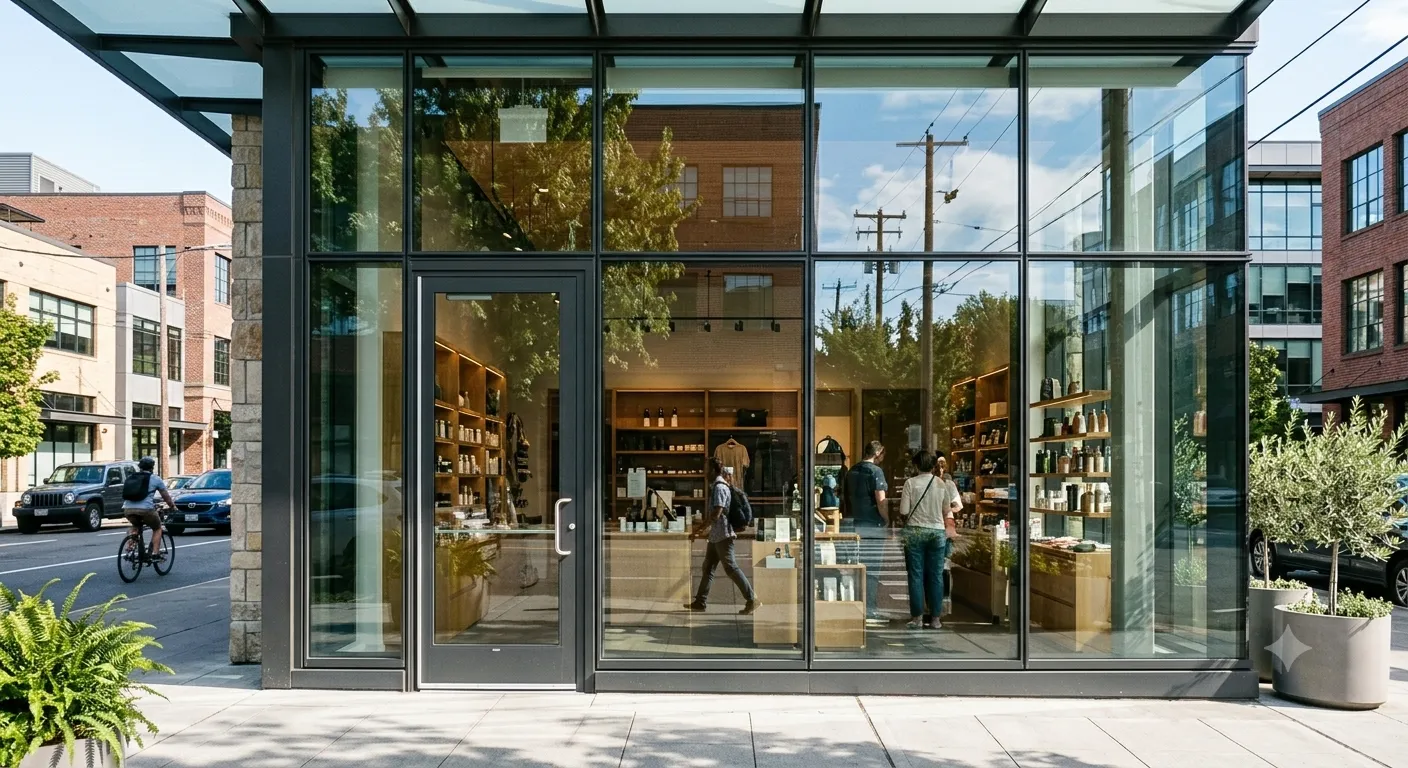
Imagine arriving at your commercial property early on a Monday morning, ready to tackle a busy week, only to be greeted by the worst kind of surprise: shards of shattered glass scattered across the pavement. Whether it was a late-night act of senseless vandalism, a break-in attempt, or an accidental impact from a stray object, a broken storefront is an immediate operational emergency. It directly threatens your business’s security, completely ruins your curb appeal, and derails your daily operations.
As a business owner, your first question is almost always centered on the financial impact: How will this affect my bottom line? Navigating the unexpected realities of your overall storefront glass replacement cost can feel incredibly overwhelming under stress. However, panicking and rushing to hire the first contractor you find often leads to significant overpayment and subpar installation. To help you handle this property emergency like a seasoned professional, we have put together an expanded strategic guide on how to protect your budget, manage the logistical process, and swiftly reopen your doors.
1. Immediate Crisis Management: Secure the Property
Before you can even begin analyzing potential repair expenses, you must focus on immediate safety, detailed documentation, and asset protection. Do not rush to sweep away the evidence if you suspect a crime has occurred. Instead, follow a methodical step-by-step approach:
- Document the Scene with Precision: Take high-resolution photographs and videos of the broken storefront window from multiple distances and angles. Capture close-ups of the exact point of impact as well as wide shots showing the entire building facade. This comprehensive visual evidence is critical for backing up your commercial insurance claims later on.
- File an Official Police Report: If the destruction was caused by vandalism, civil unrest, or a burglary attempt, contact local law enforcement immediately. An official police report and case number are mandatory prerequisites for almost all commercial property insurance policies.
- Authorize an Emergency Board-Up: Leaving an open storefront exposed overnight is an open invitation for secondary theft and weather damage. Professional emergency board-up services will secure your retail space using heavy-duty plywood and structural supports. This quick action also shields your business from liability issues if a passerby accidentally gets injured by loose glass fragments.
2. Technical Factors That Determine the Cost Scale
Commercial glass installations are highly engineered architectural systems rather than standard window panes. Because every retail or corporate entry layout has its own unique engineering demands, commercial glaziers evaluate several technical variables to build a custom quote:
Glass Type and Safety Regulations
By international and local building safety codes, commercial storefront entries are strictly required to use safety glass rather than standard annealed window glass. When ordering a replacement, you will primary choose between two specialized options:
- Tempered Glass: This glass undergoes a thermal treatment that makes it significantly stronger than standard glass. If it does break, it shatters into thousands of tiny, relatively blunt pebbles instead of sharp, jagged shards, minimizing injury risks.
- Laminated Glass: This option features a tough polyvinyl butyral (PVB) plastic interlayer sandwiched between two glass sheets. Even when struck with heavy force, the glass fragments adhere firmly to the internal plastic layer. This keeps the barrier intact and continuously protects against forced entry, even after a severe blow.
Single-Pane vs. Insulated Glass Units (IGUs)
If your commercial property features modern, energy-efficient double glazing, the logistics of the repair become more complex. You cannot simply swap out one side of a broken double-pane window on-site. Instead, the entire factory-sealed Insulated Glass Unit (IGU)—which includes both panes, internal spacers, and specialized insulating gases like argon—must be custom-manufactured to your exact frame dimensions. This custom fabrication process requires a longer production timeline and inherently increases the overall material cost component.
The Structural Integrity of the Frame
If an intruder pried at your entryway or an object struck the building with extreme force, the aluminum mullions and metal tracks holding the glass pane might be twisted or warped. Glass cannot be safely fitted into a structurally compromised frame. If frame reconstruction, realigning, or total track replacement is required, the scope of labor and material expenses will expand significantly beyond a basic glass swap.
3. The Financial Crossroads: Insurance Claim vs. Out-of-Pocket
When faced with an unexpected repair bill, many business owners immediately think of filing a commercial insurance claim. However, making this choice requires a careful look at your specific policy deductible structure.
Many commercial property insurance policies carry high deductibles designed for catastrophic events rather than minor repairs. If your final calculated storefront glass replacement cost turns out to be close to or slightly below your deductible limit, filing a claim makes very little financial sense. You will end up covering the repair out-of-pocket anyway, while simultaneously risking a future increase in your annual insurance premium rates due to a recorded incident. It is generally wiser to save your insurance claims for severe situations involving extensive structural frame damage or the destruction of multiple complex architectural glass units.
4. Operational Strategies to Minimize Business Downtime
Every day your storefront remains boarded up with ugly plywood is a day you lose foot traffic, visibility, and revenue. To accelerate your business recovery, use these strategic operational approaches:
- Partner with Direct Local Glaziers: National property maintenance brokers often add massive middleman markups and add unnecessary administrative delays to your timeline. Working directly with local commercial glass firms who cut glass locally or maintain strong relationships with regional tempering plants ensures a faster response and clearer communication.
- Inquire About Temporary Single-Pane Inserts: If your permanent, custom double-pane IGU is going to take several weeks to arrive from a specialized manufacturing facility, ask your glazing contractor about temporary glazing solutions. Installing a temporary, single-pane tempered sheet allows you to remove the plywood boards immediately, restore natural light, and resume normal business operations while waiting for your permanent architectural unit to arrive.
- Turn the Crisis Into a Security Upgrade: Instead of simply restoring your storefront to its original state, evaluate whether you can use this opportunity to prevent future disruptions. Talk to your glazier about applying a heavy-duty, shatter-resistant security window film over the new glass, or consider upgrading the glass type to high-impact laminated glazing to completely stop future vandals in their tracks.
Turning a Setback Into a Long-Term Investment
Discovering a shattered storefront is undoubtedly a stressful and frustrating disruption to your daily business operations. However, by taking rapid control of the situation—implementing immediate board-up security, gathering meticulous documentation, and understanding the core variables that dictate your storefront glass replacement cost—you can successfully mitigate financial leaks. Keep your cool, partner with a verified local commercial glazing expert, and transform this temporary property crisis into a strategic investment that strengthens the safety, structural integrity, and long-term value of your commercial space.