



December 29, 2025
Glass Railing Design for Balcony: Where Modern Architecture Meets Open Space
Why Glass Railings Are the Ultimate Choice
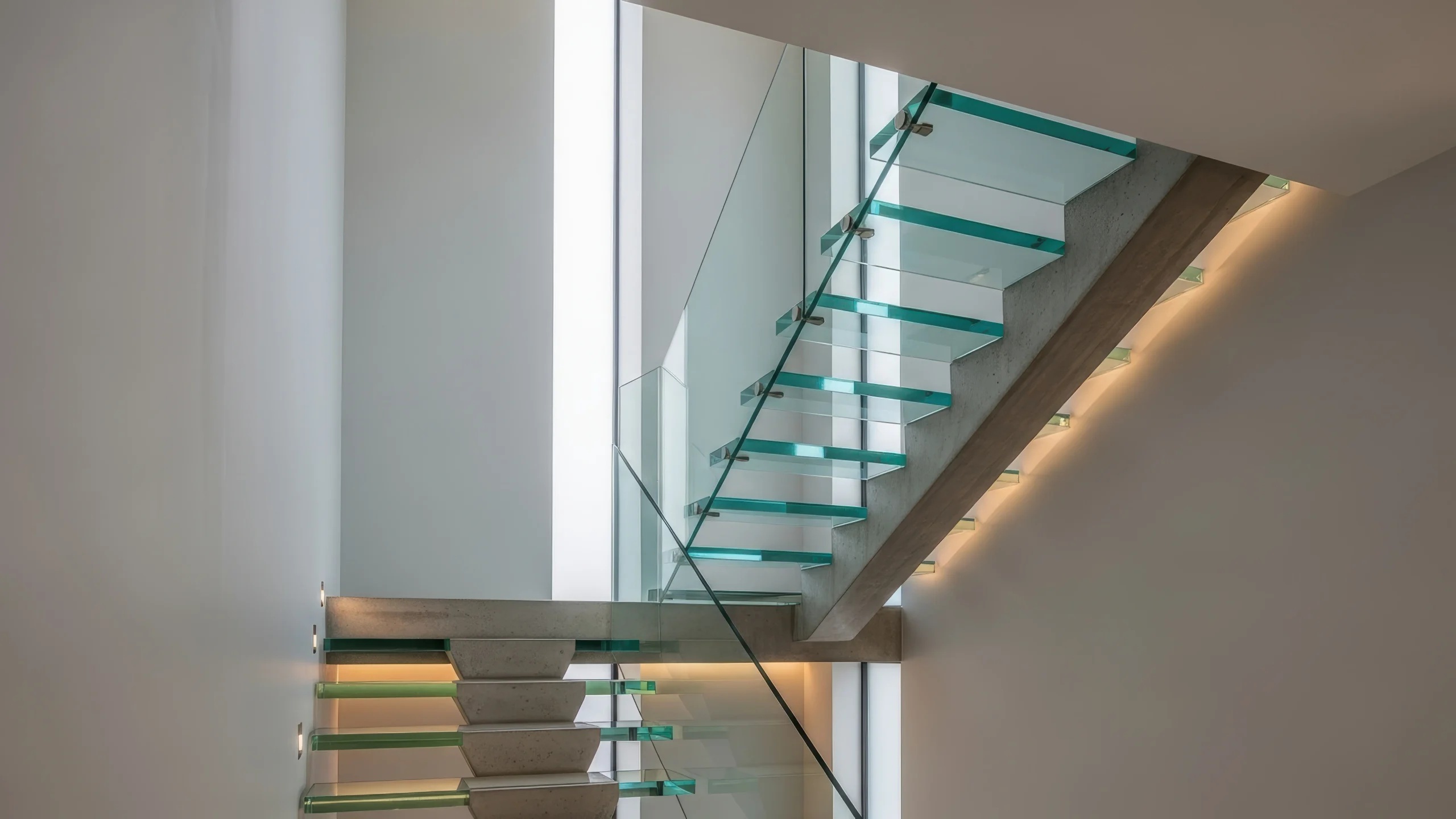
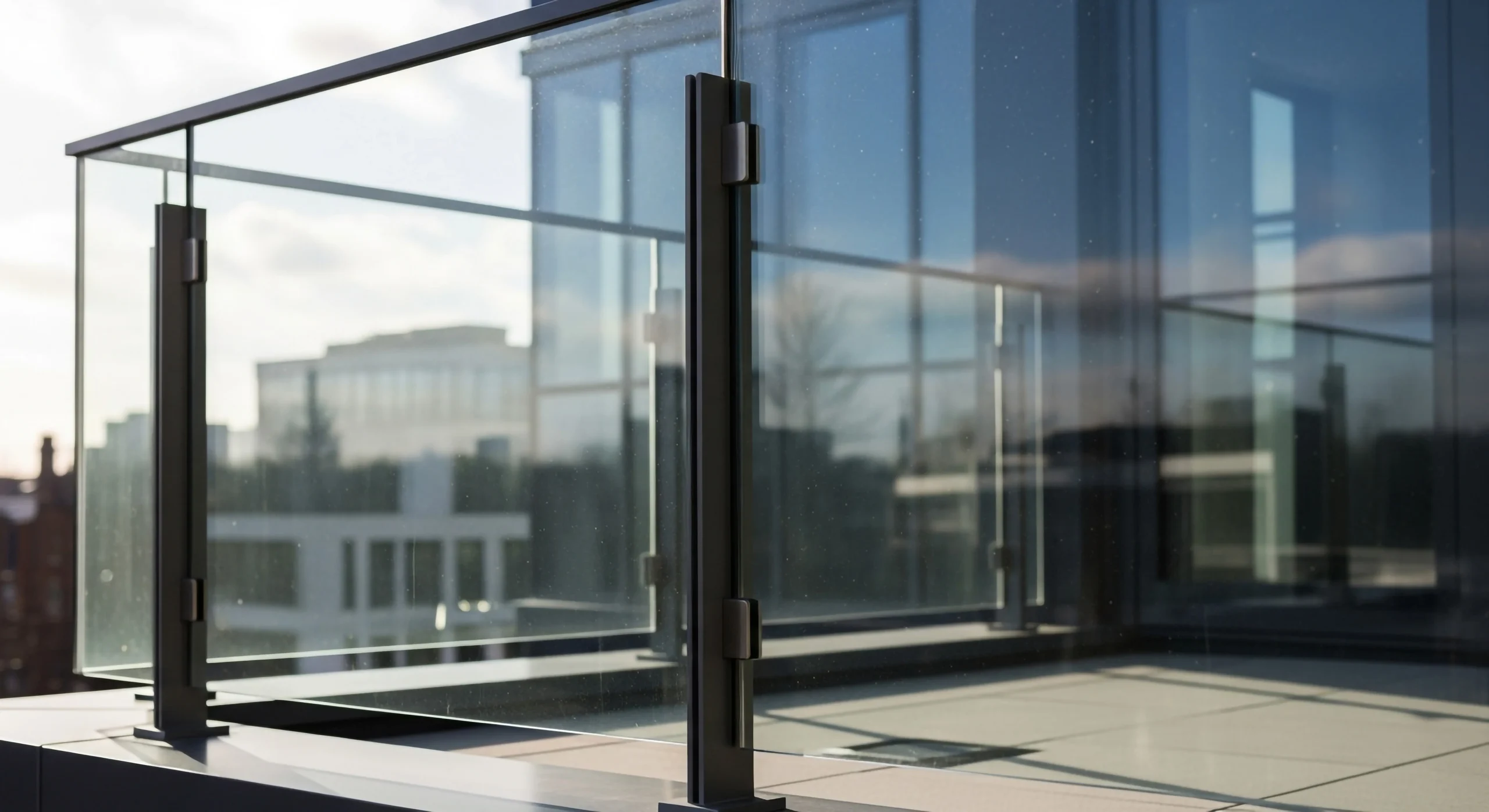
Glass railings have transformed balcony design by offering a sleek, minimalist look that opens up space visually. Unlike traditional barriers, glass provides safety without blocking views, creating a seamless connection between interior and exterior environments.
Key advantages:
- Maximum transparency for unobstructed views
- Sleek, modern aesthetic that complements any style
- Durable and weather-resistant materials
- Safety without visual heaviness
Materials and Construction
Choosing the right type of glass and supporting structure is critical for both safety and design.
Tempered vs. Laminated Glass
- Tempered glass: Highly resistant to impact; breaks into small, safe fragments if damaged.
- Laminated glass: Holds together when cracked, offering extra security and a premium feel.
Supporting Structures
Glass railings can be framed or frameless:
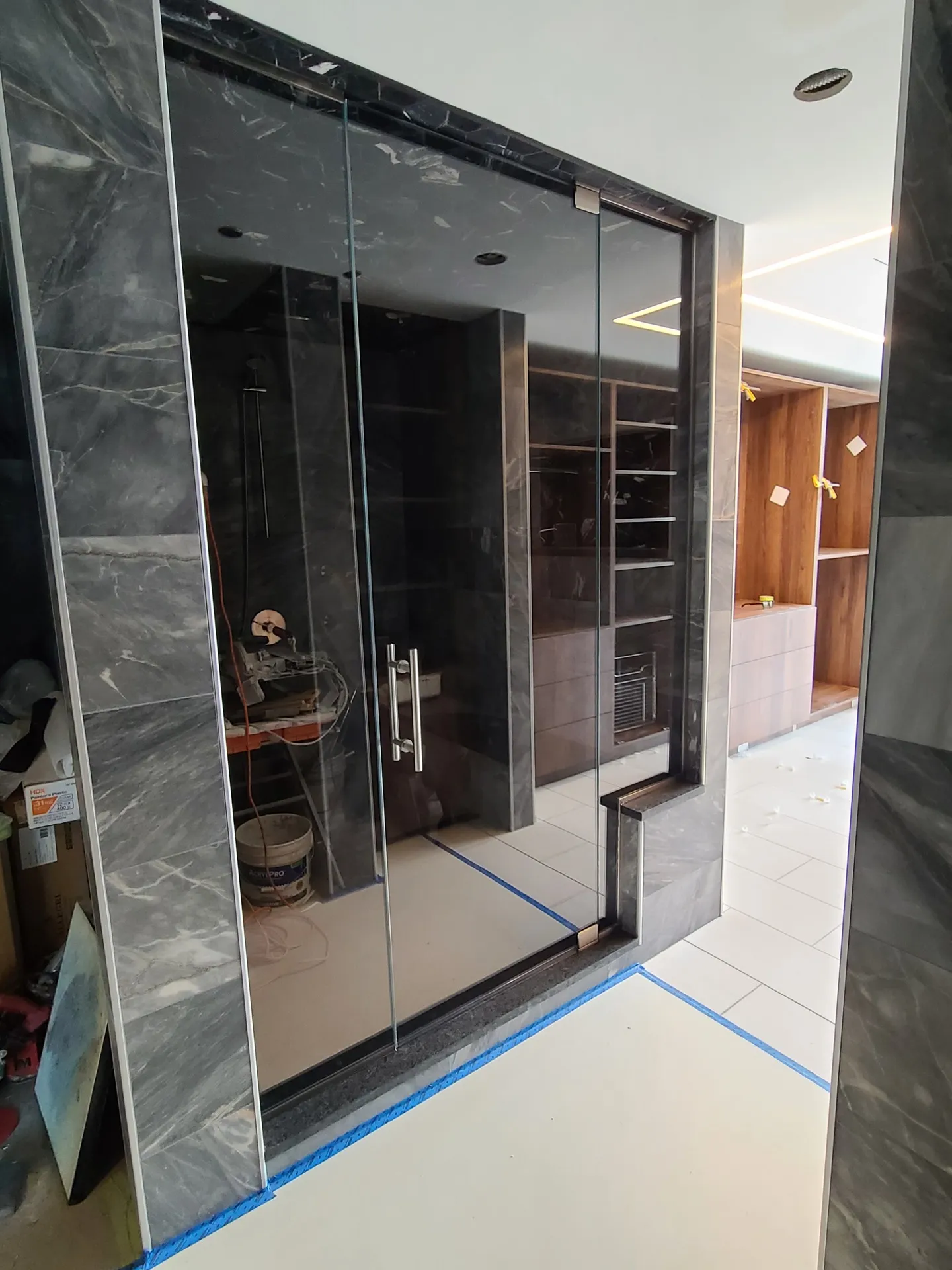
- Frameless: Minimalist, modern, almost invisible; emphasizes openness.
- Framed (metal or wood): Adds structural strength and can introduce warm or contrasting accents.
Enhancing Space and Light
One of the strongest appeals of glass railings is how they interact with light.
Maximizing Natural Light
Sunlight passes through glass freely, brightening both balconies and adjacent interior spaces. This creates a sense of spaciousness and airiness.
Visual Connection
Glass railings preserve panoramic views, making them ideal for city apartments, coastal homes, or scenic landscapes. The railing becomes a frame, not a barrier, allowing the environment to become part of the living experience.
Safety and Regulations
Even the most beautiful glass railing must prioritize safety.
Structural Integrity
High-quality glass is engineered to withstand:
- Wind pressure and daily use
- Accidental impacts
- Temperature changes
Compliance Standards
Professional installation ensures railings meet building codes for height, load, and durability, all while maintaining aesthetic appeal.
Style and Personalization
Glass railings are highly versatile and can be tailored to match personal taste and architectural style.
Finishes and Colors
- Frosted or tinted glass for privacy
- Clear or ultra-transparent glass for maximum openness
- Decorative patterns for subtle artistic effects
Frames and Accessories
Handrails and mounting elements can add visual contrast or warmth. Popular materials include stainless steel, aluminum, or wood, depending on the design goal.
Architectural Versatility
Glass railings seamlessly adapt to various architectural styles.
Modern Minimalist Designs
Frameless glass complements minimalist interiors and exteriors, emphasizing proportion, light, and openness.
Traditional or Renovated Buildings
Adding glass railings to older structures can refresh their appearance while preserving their character, creating an elegant juxtaposition of classic and contemporary design.
Durability and Maintenance
Glass railings are designed to endure harsh weather conditions while requiring minimal upkeep.
Resistance and Longevity
- Weather-resistant coatings prevent corrosion and UV damage
- Laminated or tempered glass maintains structural integrity over time
Easy Maintenance
Smooth surfaces are easy to clean, keeping the railing pristine without constant upkeep.
Adding Value to Your Property
A well-designed glass railing not only enhances the aesthetic appeal of a balcony but also boosts the overall value of a property. Buyers appreciate:
- Modern, premium look
- Safety and durability
- Connection with natural surroundings
Conclusion
Glass railings redefine how balconies function and look. By combining safety, durability, and a sleek, transparent design, they create an open, modern, and timeless space. They are not just barriers—they are design elements that elevate the entire property.